From Research to Action: LEGENDS Finalises Its Intergenerational Curriculum

From Research to Action: LEGENDS Finalises Its Intergenerational Curriculum

News
The LEGENDS project has reached an important milestone, moving from research and consultation to the practical implementation of its intergenerational approach. Over 250 educators, older adults and young people across Europe participated in questionnaires and focus groups, providing valuable insights into their needs, expectations and digital habits. These findings directly informed the development of the LEGENDS curriculum and helped shape an approach that responds to the realities of intergenerational learning. The research highlighted several factors that can make intergenerational activities more meaningful and effective. Building trust at the beginning of each session is essential, while participants benefit when activities draw on their individual strengths. Older adults bring valuable lived experience and personal stories, while younger participants often contribute greater digital confidence. Participants also emphasised the importance of practical support, including…
Read More
CATALYST Partners Meet in Reykjavík to Advance Support for Disengaged Young People

CATALYST Partners Meet in Reykjavík to Advance Support for Disengaged Young People

News
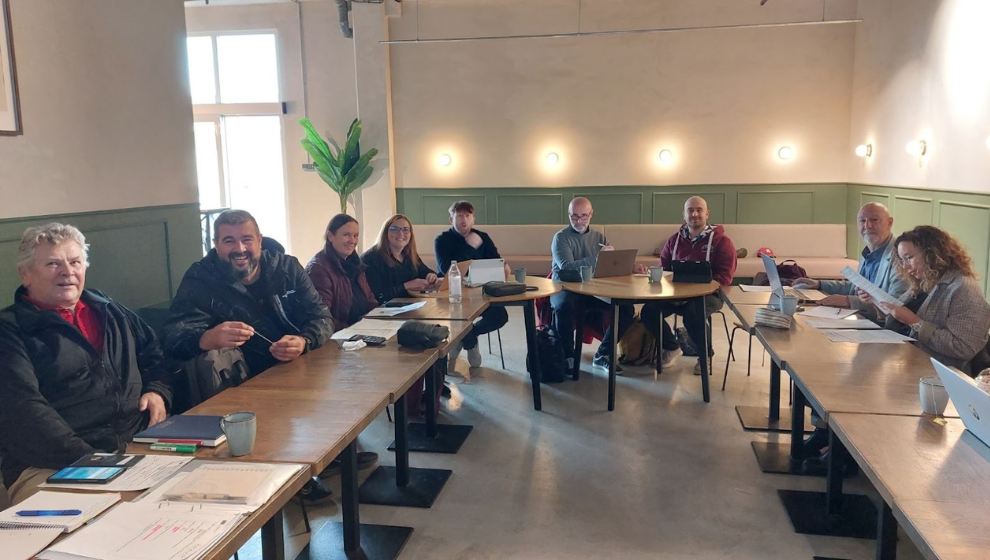
Partners of the EU-funded CATALYST project met today, 27 August 2026, at Sjávarklasinn (Ocean Cluster House) in Reykjavík, Iceland, for a Transnational Project Meeting (TPM) focused on reviewing key project milestones and planning the next phase of activities to support disengaged young people across Europe. The meeting brought together representatives from partner organisations, including IFESCOOP, RRIS, AKLUB, WeLearn, Institute of Development (IoD), and YPGD, to assess progress across project management, quality assurance, communication, and outreach activities. A key focus of the meeting was the rollout of the CATALYST Peer Coaching Training Programme, alongside the development and implementation of the Mental Health Toolkit and youth worker modules. Partners also reviewed the transfer of the Career Compass workshop, discussing progress, implementation experiences, and opportunities to further strengthen the project's support for young…
Read More
Agile Mind Scribe National Workshop in Cyprus: Transforming Knowledge Loss into Knowledge Flow

Agile Mind Scribe National Workshop in Cyprus: Transforming Knowledge Loss into Knowledge Flow

News
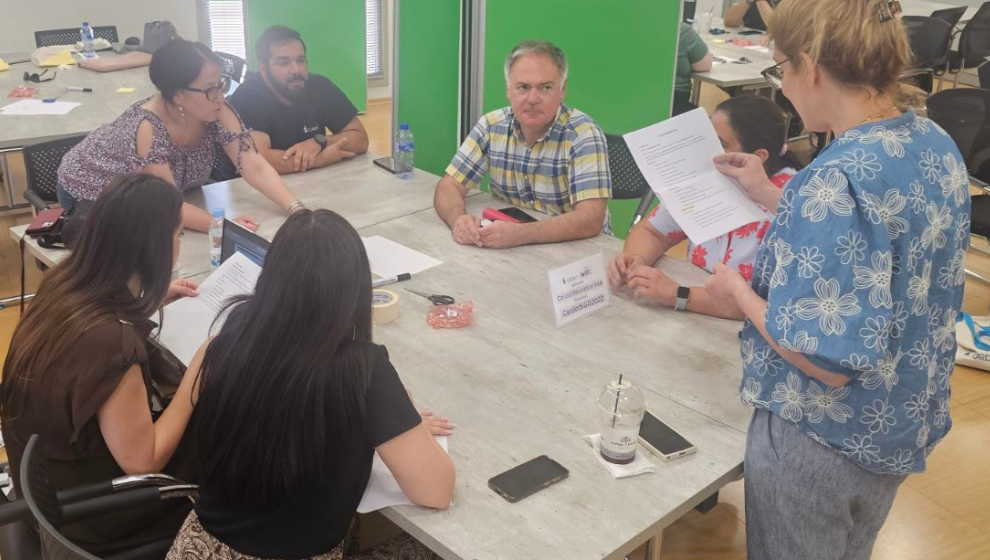
On June 26, 2026, the Institute of Development Ltd hosted the Cyprus National Dissemination Event for the EU-funded Agile Mind Scribe project at the CARDET premises in Nicosia. Organized under Work Package 4 (Implementation & Dissemination), the interactive, in-person session brought together 20 participants and two facilitators, to tackle the recurring challenge of organizational knowledge loss during onboarding, project handovers, and internal workflow transitions. Grounded in Agile methodology, behavioural design, and adult learning principles, the workshop introduced a structured approach to transforming isolated, person-dependent information into continuous knowledge flow. Through interactive conceptual inputs, multi-round sprint challenges, and group reflection sessions, attendees actively engaged with the project's learning loop: Transfer  Apply  Review  Improve  Capture. Participants gained hands-on experience with practical tools such as sprint timeboxing, feedback loops, and knowledge notes, with…
Read More
Agile Mind Scribe Reaches Successful Conclusion in Sofia: A Gateway to Future Collaborations

Agile Mind Scribe Reaches Successful Conclusion in Sofia: A Gateway to Future Collaborations

News
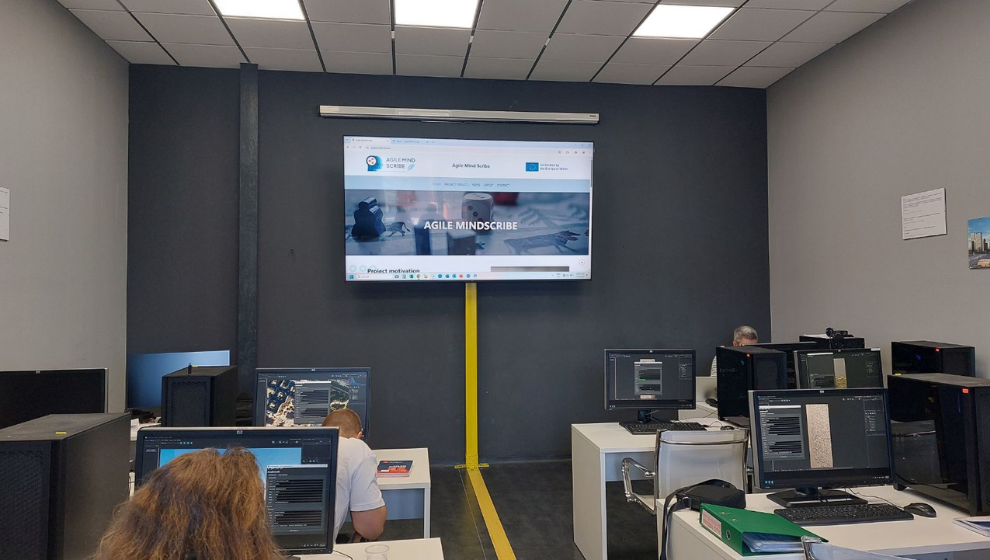
Sofia, Bulgaria — On July 15, 2026, the Agile Mind Scribe consortium convened in Sofia for its 4th and final Transnational Project Meeting. Hosted by project partner Redvertex on behalf of the lead partner, the School of Business Competences (SBC), the gathering marked a highly productive conclusion to the two-year EU-funded project. Partners reviewed the final progress of Work Package 3, evaluated dissemination outcomes, and finalized steps for the project's overall key performance indicators and final reporting. Rather than marking an end, the meeting served as a springboard for future initiatives. Having established a strong synergy throughout the project's lifecycle, the consortium organizations did not say goodbye, but rather "see you again." The partners actively discussed plans to extend their collaboration, exploring new funding mechanisms and project opportunities to build…
Read More
The CONNECT Peer Support Program: Building Student-to-Student and Professional-to-Professional Networks

The CONNECT Peer Support Program: Building Student-to-Student and Professional-to-Professional Networks

News
The CONNECT component of the CARE + CONNECT initiative is designed to create structured peer-support networks and safe spaces for dialogue within higher education institutions. By fostering mutual support among both students and staff, CONNECT aims to reduce social isolation, break mental health stigma, and cultivate a shared culture of care across campus communities. The framework provides practical training in active listening, empathetic communication, and first-line support. The implementation operates across two distinct tracks: Professional-to-Professional and Student-to-Student. The professional track enhances cross-disciplinary communication, equips staff with emotional intelligence skills, and establishes clear referral pathways for students in need of expert help. Meanwhile, the student track trains peer mentors to offer confidential support, recognize early warning signs of distress, and facilitate interactive "Conversation Cafés". Together, these strands build a sustainable, community-driven…
Read More
Empowering Educators: Successful MindGuard Online Master Training

Empowering Educators: Successful MindGuard Online Master Training

News
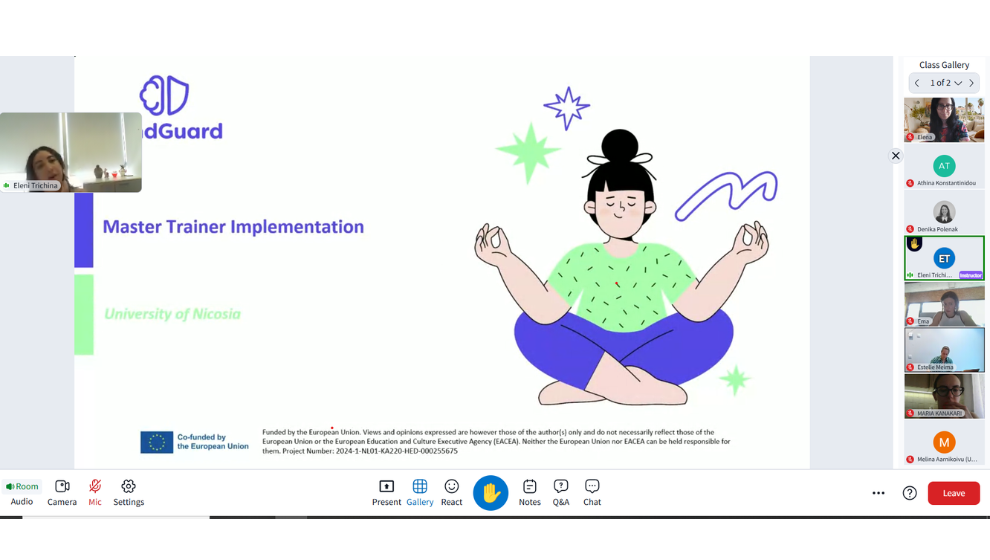
On 6th of July 2026, MindGuard project consortium had a successful online Master Training of Trainers (ToT) session. Virtually hosted by the University of Nicosia, the intensive four-hour event officially launched the project’s Master Trainer phase, equipping academic experts with the specialized tools needed to foster mental health literacy across European university campuses. Funded by the Erasmus+ program, MindGuard addresses the growing academic mental health crisis by combining participatory frameworks with innovative digital tools. During the training, participants explored the newly finalized MindGuard Guide, built around a practical "Recognise-Respond-Refer" model designed to help university staff navigate 26 common mental health challenges. Attendees also walked through the MindGuard digital ecosystem, including an immersive Virtual Reality (VR) platform designed for safe, scenario-based Mental Health First Aid (MHFA) training. The session shifted from…
Read More
LEGENDS Project Releases Its First Newsletter

LEGENDS Project Releases Its First Newsletter

News
The Institute of Development (IoD) is pleased to announce the publication of the first newsletter of the LEGENDS project (Local Excursions Generating Elderly Narratives for Digital Storytelling), an Erasmus+ funded initiative that promotes digital inclusion, intergenerational learning, and the preservation of local cultural heritage through storytelling. The newsletter highlights the project's progress, including the successful completion of the needs assessment phase, the development and piloting of the first modules of the LEGENDS Facilitator's Toolkit, and the consortium's first Transnational Project Meeting. It also presents the next steps of the project, which include digital storytelling workshops, local excursions, and the creation of an online cultural map showcasing local stories and heritage. As the Cypriot partner, the Institute of Development is leading the implementation of project activities in Cyprus, supporting older adults…
Read More
CARE + CONNECT: A Comprehensive Action Plan for European Higher Education Mental Health

CARE + CONNECT: A Comprehensive Action Plan for European Higher Education Mental Health

News
Recent data across European countries highlights a growing mental health crisis among higher education students, with high percentages experiencing symptoms of anxiety and depression. Because roughly 75% of mental health disorders emerge before age 24, early intervention within university environments is vital. However, institutional support often remains reactive rather than preventive, leaving counseling services underfunded and struggling with long waiting lists. CARE + CONNECT presents a data-backed solution combining digital therapeutic tools (iCBT) with structured peer-support systems. Research demonstrates that iCBT platforms can reduce student anxiety symptoms by up to 42%, while peer-mentoring programs significantly decrease feelings of isolation. The project also focuses on institutional capacity building by training academic staff to recognize early distress signals, establishing clear escalation protocols, and embedding mental health initiatives permanently into campus culture and…
Read More
From Anxiety to Actionable Steps: Practical iCBT Tools for European Students

From Anxiety to Actionable Steps: Practical iCBT Tools for European Students

News
While student mental health challenges are widely acknowledged, students often lack concrete, evidence-based tools to navigate academic pressure during high-stress moments. The CARE + CONNECT digital platform bridges this gap by introducing key techniques derived from Cognitive Behavioral Therapy (CBT), specifically adapted for university life. This article explores three core strategies taught within the program: identifying automatic thoughts, distinguishing effective coping mechanisms from avoidance, and applying behavioral activation. The curriculum guides students to recognize distorted thinking patterns—such as catastrophizing or all-or-nothing thinking—and reframe them based on objective evidence. It also addresses coping styles, helping students replace short-term avoidance behaviors with active, problem-focused strategies. Finally, through behavioral activation, students learn to overcome low motivation by breaking overwhelming academic tasks into small, manageable actions. By linking thoughts, feelings, and actions, the program…
Read More
Completion of Training Cycle for the “Thriving Schools” Project

Completion of Training Cycle for the “Thriving Schools” Project

News
The Thriving Schools project has successfully completed its latest cycle of training activities for participating schools in Cyprus, marking an important milestone in promoting wellbeing across school communities. The training programme included a series of targeted online sessions designed to support both educators and parents/guardians in fostering a culture of wellbeing at school and at home. Two interactive webinars for parents and guardians focused on the theme "Mental Health and Wellbeing at Home" (3 March and 21 April 2026). Delivered in collaboration with CARDET and the Institute of Development, these sessions aimed to empower families to apply key principles of Positive Psychology in everyday life and strengthen wellbeing within the home environment. In parallel, two webinars were delivered for educators, focusing on strengthening teacher wellbeing through the PERMA model. The…
Read More